From a Community Dream to a National Marketplace.
Some of Lesotho’s greatest ideas have not begun in boardrooms or conference halls. They have begun in communities, where ordinary people faced extraordinary challenges and created their own solutions. The Basotho Flea Market is one such story.
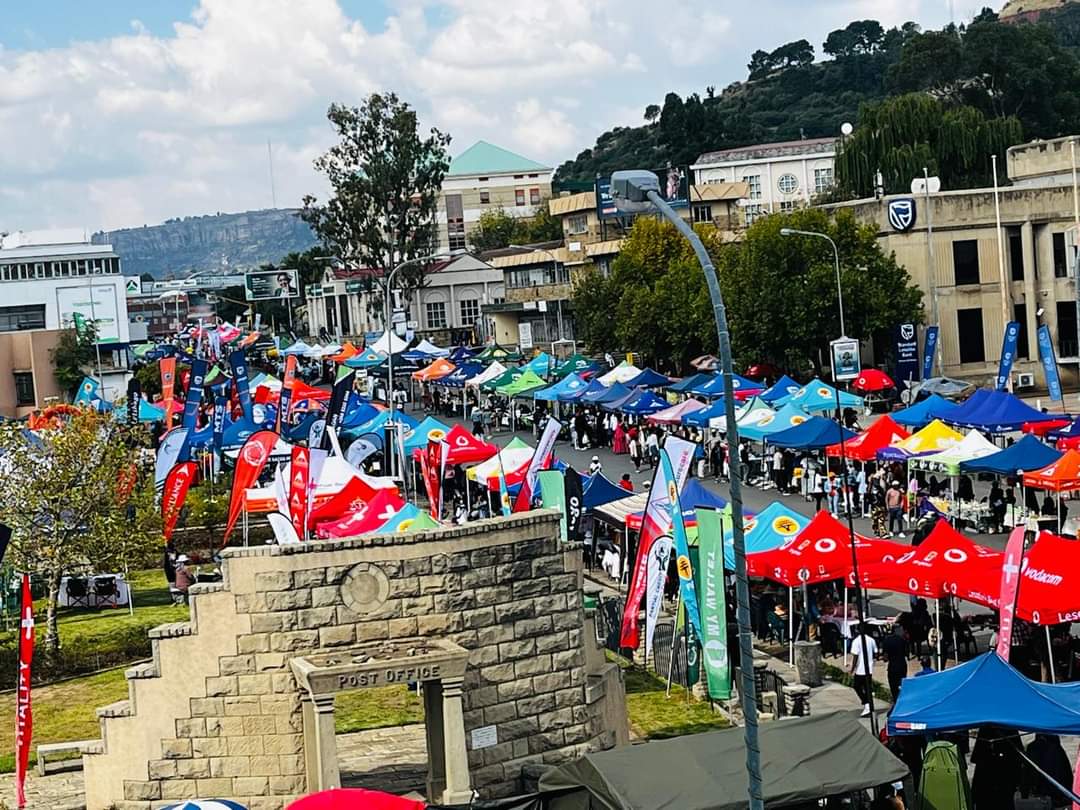
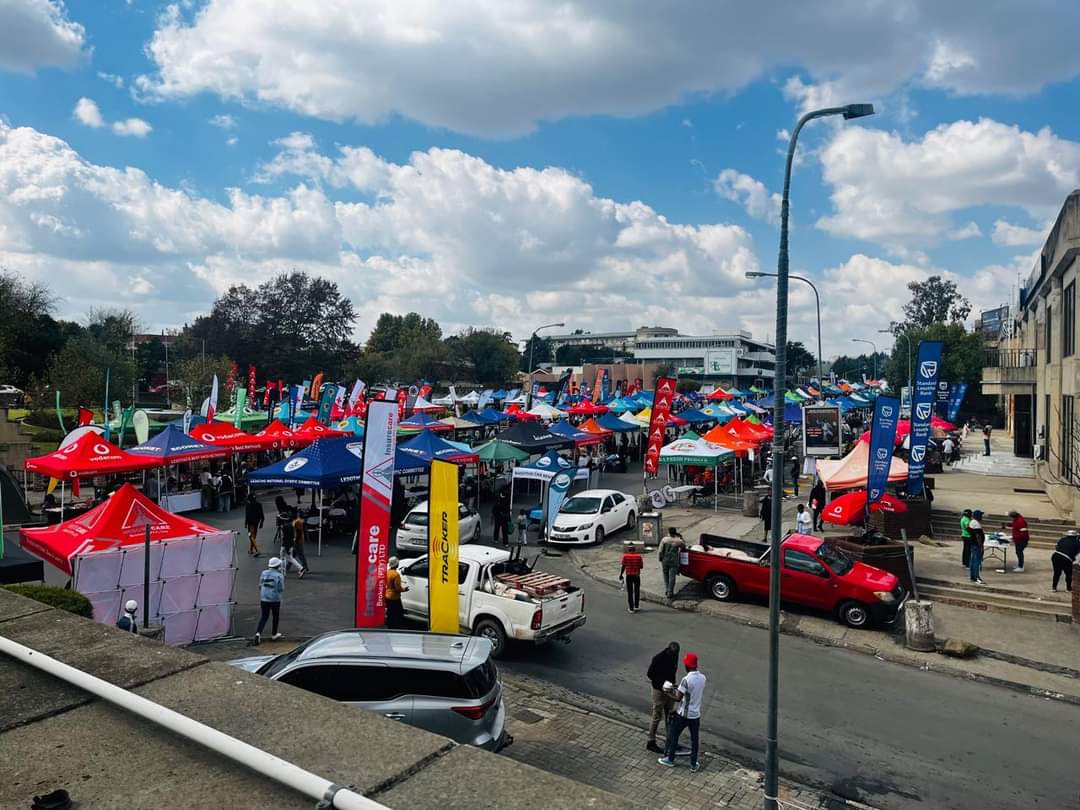
Today, thousands of Basotho know it as the bustling monthly marketplace that fills Kingsway Road in Maseru with colour, conversation and commerce. It is a place where shoppers discover locally made products, entrepreneurs find new customers, investors meet innovators, and dreams become businesses.
The Beginning: A Question That Sparked a Movement
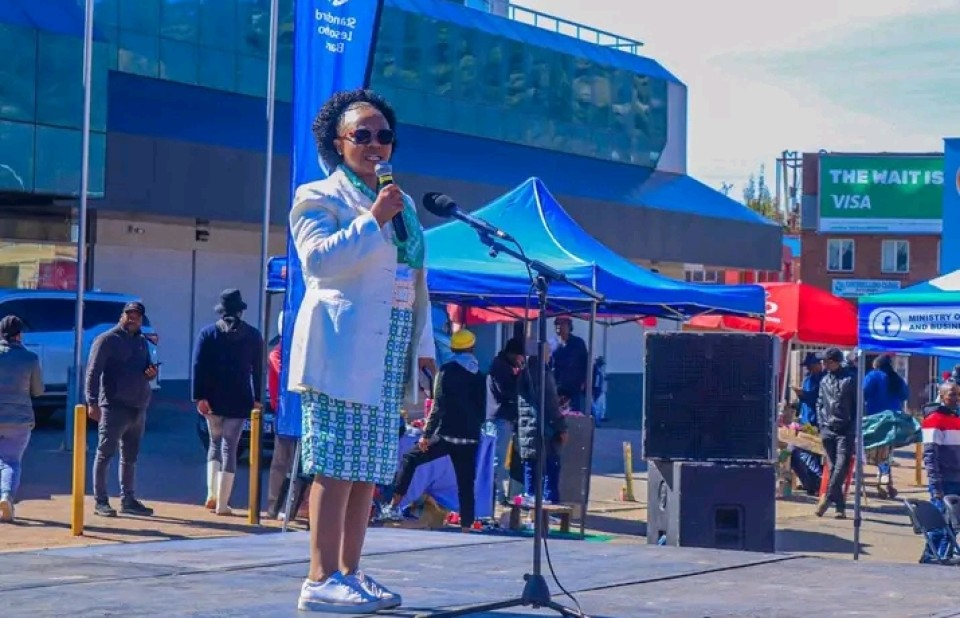
For Hon. Mampho Alina Tjabane, Member of Parliament for Stadium Area Constituency and an entrepreneur herself, the challenge was clear: “How do we help Basotho entrepreneurs who can produce excellent products but have nowhere to sell them?”
Her answer was not another workshop, but a marketplace. She began by identifying young people in Stadium Area and equipping them with practical entrepreneurial skills. At Litenteng Community Meeting Ground in Sea Point, they learned food processing, value addition, and how to manufacture sauces, juices, sweets, soaps and other goods.
The goal was not only to teach production but to teach business. Yet one obstacle remained: where would they sell? That question became the seed of the Basotho Flea Market.
The First Market: A Leap of Faith
On 2 June 2023, Hon. Tjabane organised the first community market at Litenteng. There was no guarantee people would come, but faith in local entrepreneurs carried the day. The response exceeded expectations.
For the first time, many entrepreneurs realised Basotho consumers were willing to support locally made products. The market did more than generate sales — it restored confidence and proved that when entrepreneurs are given a platform, they can create value.
From Constituency to National Movement
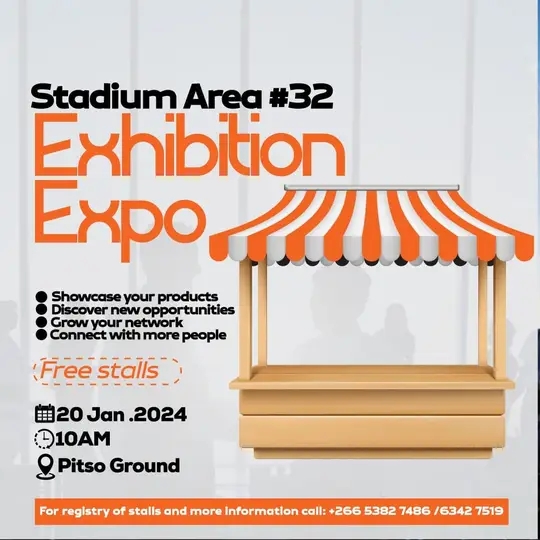
Encouraged by success, a second market was organised on 20 January 2024 at Pitso Ground. This time, entrepreneurs came from across Lesotho. Without any national advertising, the market had become a meeting point for Basotho entrepreneurs from different districts.
The lesson was clear: the problem was not a lack of entrepreneurs, ideas, or ambition. The problem was access to markets. Basotho businesses were ready. They simply needed someone to open the door.
Building Partnerships
To transform the idea into a sustainable national platform, Hon. Tjabane called upon institutions aligned with enterprise development:
BEDCO – embedded the initiative into the SME ecosystem.
TEN – provided market equipment free of charge.
SADP II – connected farmers and processors.
Ministry of Agriculture – strengthened links between agriculture and entrepreneurship.
Sponsors such as Standard Bank Lesotho, LNIG, GIZ, RSL, EU, Maseru Mall, Vodacom, PostBank, Letshego, Harvest FM, and others joined, reflecting a shared belief in empowering Basotho entrepreneurs through collaboration.
Investing in Young PeopleBeyond
commerce, the Flea Market became a platform for youth development. Through the National Youth Apprenticeship Programme, 20 graduates were attached as interns for two years, gaining workplace experience and professional skills.
Connecting Basotho Businesses to Africa
By 2024, the Basotho Flea Market had grown beyond being a local event. Its success revealed a bigger vision: Lesotho could become a gateway for intra-African trade, investment, and tourism.
Hon. Mampho Alina Tjabane partnered with Bleisure Africa, led by Mme Dimakatso Malwela, to design a continental roadshow. The idea was simple but powerful — showcase Basotho products in African markets, connect entrepreneurs to investors, and position Lesotho as a destination for business tourism.
The programme was ambitious. It included:
- Trade & Export Forums – with participation from the Ministry of Trade, ZimTrade, ITC, and SEDA South Africa.
- SME & Investment Funding – bringing in Afreximbank, World Bank, USAID-ATI, MCC, and other financiers.
- Tourism Development Projects – showcasing how culture and heritage can complement trade, with partners like SANParks, LDTC, and Creative & Cultural Tourism networks.
- Networking & Masterclasses – sessions designed to build long-term partnerships across borders.
The vision was not only about exporting Basotho goods. It was about exchange — identifying products other African countries needed and creating opportunities for Basotho businesses to supply them, while also learning from innovations elsewhere.
For example, while Lesotho could export sauces, juices, and handmade soaps, it could also import creative industry ideas from Nigeria, tourism models from Kenya, or textile innovations from Ethiopia. This two-way exchange would strengthen Lesotho’s economy and broaden the horizons of its entrepreneurs.
Although leadership changes delayed the signing of the Memoranda of Understanding, the groundwork proved something vital: the Basotho Flea Market was no longer seen as a local initiative. It had become a continental platform with the potential to link Lesotho’s entrepreneurs to markets in Tunisia, Zambia, Mozambique, Zimbabwe, and Namibia.
The roadshows mattered because they promised to:
- Open export markets for Basotho products.
- Promote intra-African trade under AfCFTA.
- Connect MSMEs with investors and development finance institutions.
- Showcase Lesotho as a destination for trade, investment, and tourism.
- Inspire Basotho entrepreneurs to compete on the continental stage.
This vision continues to resonate. Even without the roadshow, the Flea Market has already proven that Basotho businesses can stand shoulder-to-shoulder with Africa’s best — and that Lesotho can be more than a consumer of imports. It can be a supplier, a partner, and a leader in continental trade.
Numbers That Tell a Story
Across the 2024–2025 cycle, The Basotho Flea Market recorded:
4,551 MSME registrations
3,943 exhibitors
M7.26 million in sales generated
2,769 exhibitors in 2025 alone.
These figures represent more than transactions. They are farmers who found new customers, families whose income improved, and entrepreneurs who gained visibility and confidence.
Changing Mindsets
The Flea Market challenged the belief that imported products are always superior. It encouraged Basotho to support Basotho and showed that local goods can compete in quality and creativity. For many, their first customer or wholesale buyer was found here. For others, it was the first time they truly believed they belonged in business.
A Vision That Continues
Hon. Tjabane continues to advocate for policies that strengthen Lesotho’s MSME sector. Among her proposals is a tax rebate framework to encourage larger businesses to sponsor and incubate SMEs. Her belief remains: “When small businesses succeed, the nation succeeds.”
A Marketplace of Hope
What began with a handful of young people and a simple community market now stands as one of Lesotho’s most significant platforms for entrepreneurship. Every stall tells a story, every product carries a dream, and every entrepreneur represents possibility.The Basotho Flea Market is more than a marketplace. It is a movement — proof that when people are given a platform, they do not only sell products, they build futures.